
Tlou Pogo ya Tlou
Pogo Ya Tlou History
ABOUT
Pogo ya Tlou Foundation was established by the children and grandchildren (the descendants) of the 11 Batlhako men, who resisted the Bantu Authorities system, Bantu education, and various forms of apartheid laws. The 11 men were banished from Mabeskraal between 1935, 1949, 1955, and 1956 to Driefontein near Bona Bona, a desolate part of South Africa where as the late Helen Josephs indicated “into the most abandoned parts of the country, there to live, perhaps to die, to suffer and starve, or to stretch out a survival by poorly paid labour, if and when they could get it”.
The hardship they endured during banishment did’nt break their spirits. Their influence on South African history remains profound, and they stood firm in paving the way for the liberation of South Africa. These men were Councilors/Headmen under the leadership of Chief Jeremiah Rakoko Mabe, and together with a large section of the community were opposed to the introduction of Bantu Authorities Act.
These men were Councilors/Headmen under the leadership of Chief Jeremiah Rakoko Mabe, and together with a large section of the community were opposed to the introduction of Bantu Authorities Act. The Bantu Authorities Act was the first piece of legislation introduced to support the government’s policy of separate development. It made provision for the establishment of Regional and Territorial Authorities for each specific ethnic groups in the ‘reserves’.
The Traditional leadership of the African population had to some extent become representatives of the White government and uncooperative traditional leaders were faced with harsh penalties and were often banished, and some of these chiefs were deposed from their positions as Chiefs when they resisted these laws. These 11 men, ‘‘stated that acceptance of this system would amount to rule by government officials rather than the traditional tribal leaders.’
OBJECTIVES
Pogo ya Tlou Foundation wish to honor and remember the 11 Heroes of Batlhako.
• The history of the 11 Batlhako men and their fight against apartheid is intimately intertwined with the freedom struggle of South Africa and they deserve the honour in a form of a commemorative monument that will immortalise their sacrifices.
• There is a need to demonstrate how political opponents from rural areas have helped pave democratic South Africa and nation building.
• Restore a sense of pride and patriotism within the Batlhako community.
• To establish a Museum or memorial wall for our heroes and heroines, The location of the memorial is very important to serve as a focal point of remembrance, sense of pride among the Batlhako and embracing the contributions the 11 men made for the liberation and freedom of black South Africans.
• Use the Museum as a source of historical information for future generations to learn about the freedom struggle and preservation of our heritage.
• Raise funds towards the bursaries for the outstanding performance of the grandchildren of the banished families and community at large.
• Name our heritage sites under the names of our heroes and heroines.
• Replicate the banished camp in Driefontein, as it was the home of the banished, and incorporate this into heritage route in Mabeskraal
MISSION
To revitalize our history and heritage by honoring the heroes of Mabeskraal in particular the 11 banished.
VISION
To promote community engagement and initiate poverty alleviation programmes to benefit the community of Mabeskraal and South Africa at large
VALUES
Honesty, Trustworthy, Selflessness and Truthfulness.
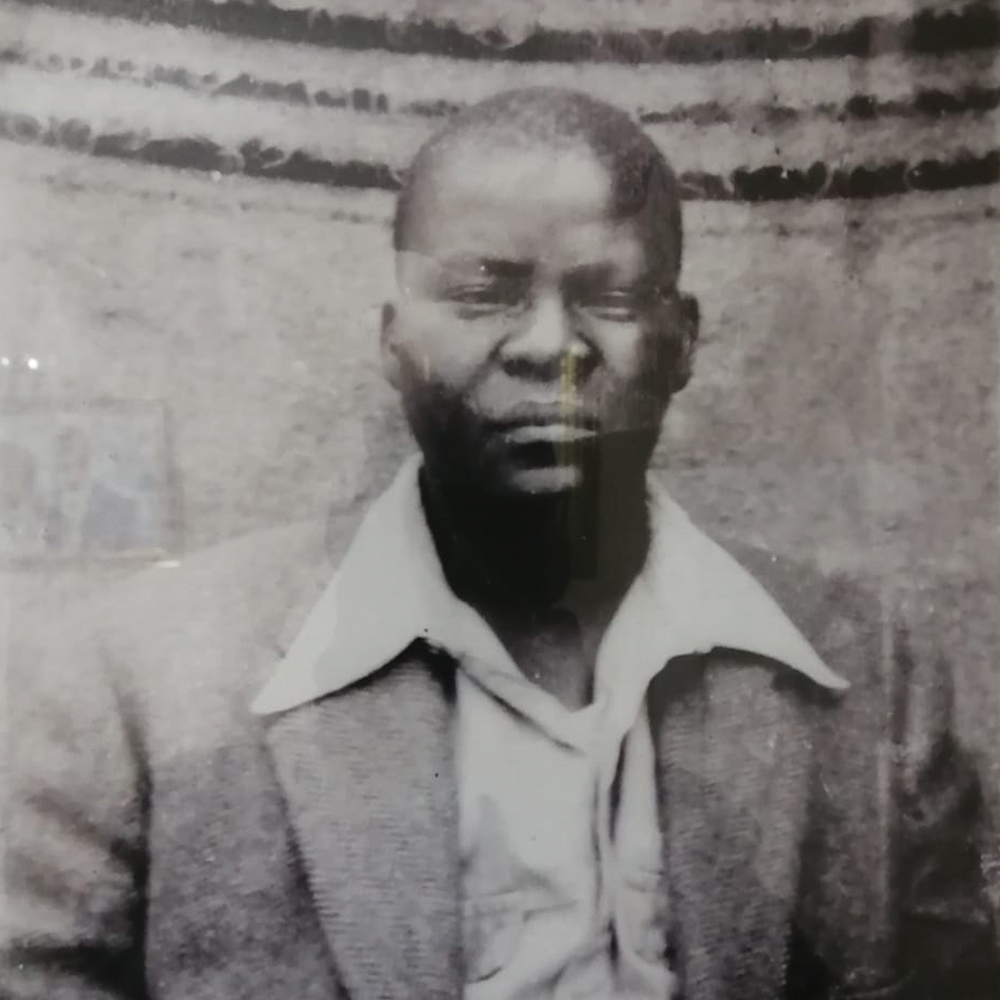
Image: Kgosi Rakoko Jeremiah Mabe
THE 11 BATLHAKO MEN
1. Mabe Jeremiah Rakoko
2. Ramafoko George Mokate
3. Ramokgadi MfoloeMabe
4. Mabe Levi
5. Lebeko Tom
6. Motshologane William Seroke
7. Mabe AbelMoanakwena
8. Mokoka Ras Thomas
9. Seth Rakgari
10. Mabe Nthwe
11. Tlholonyane David