
Tlou Pogo ya Tlou
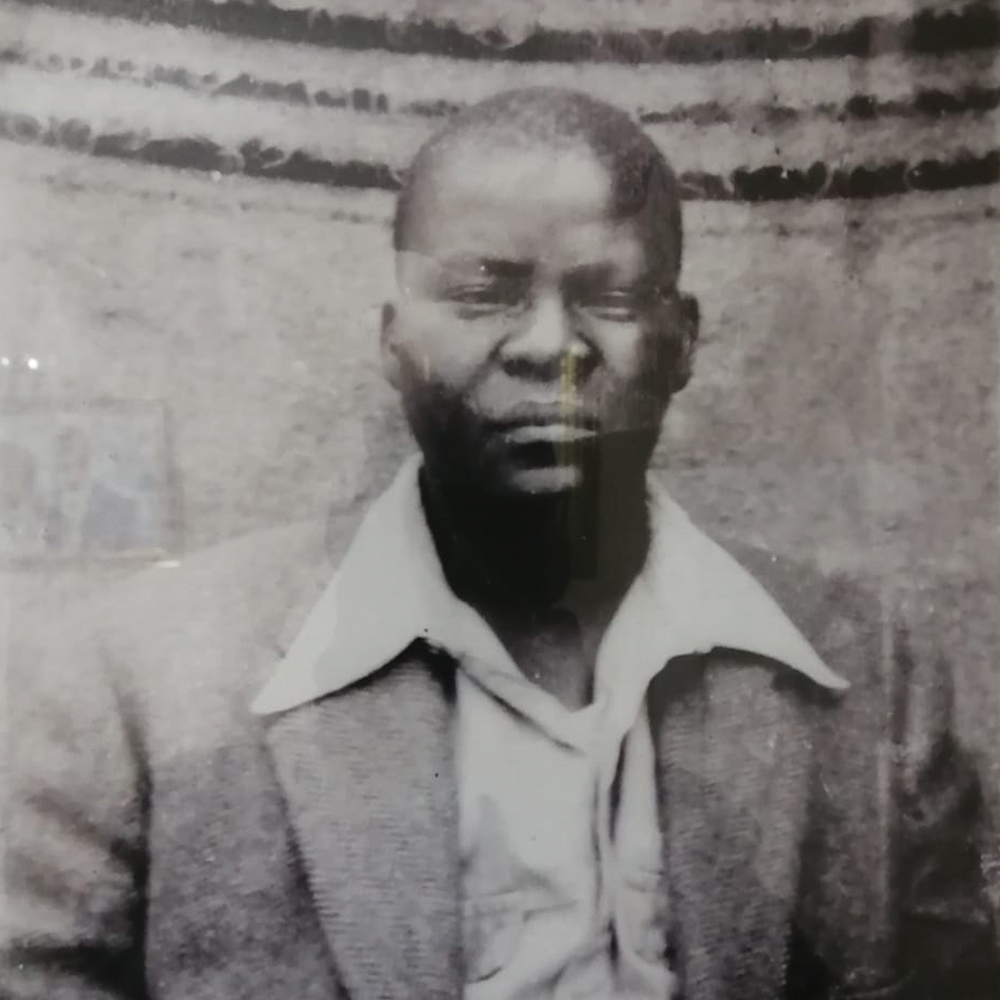
Kgosi Jeremiah Rakoko Mabe
Driefontein Native Trust Farm Vryburg District
There had been periodic unrest at Mabieskraal (Pilansberg), Rustenburg District, Transvaal (now North West Province) from the 1930s onwards. During the 1950s, the regent, Jeremiah Rakoko Mabe, and his councilors and a large section of the community opposed the introduction of Bantu Authorities. They ‘stated that acceptance of this system would amount to rule by government officials rather than the traditional tribal leaders.ʼ
The Government then served him with a banishment order. The banishment order of 9 September 1949 alleged that Mabe and six others had ‘created a feeling of hostility againstʼ Acting Chief Mokgatle Mabe, that ‘they have interfered in tribal matters to the detrimentʼ of the community, that ‘they have held meetings in conflict with the recognized tribal law and custom,ʼ and that ‘they have failed or refused to attend meetings called by the said Acting Chief.ʼ Mabe was accused of having ‘usurped the functions of Acting Chief Mokgatle Mabe.ʼ
On 14 May 1952, the previous order was revoked. Acting Chief Mokgatle Mabeʼs service was terminated and Jeremiah Mabe was appointed Chief. During Mogatle Mabeʼs reign there were ‘reports of victimization, strong-arm methods, and hut-burnings.ʼ The dissension and unrest abated. A new order dated 19 December 1955, banishing Jeremiah Mabe from Rustenburg to Vryburg, (in the present day North West Province) was rejected by the Supreme Court on the basis that ‘the Natives concerned were not afforded the opportunity of showing cause why they should not be removed.ʼ The 1927 Native Affairs Act was amended ‘so as to permit of the issue of a removal order without prior notice to the person concerned.ʼ
A new June 1956 banishment order noted that ‘Ministers are still of the opinion that it is necessary in the interests of peace, order and good government that [they] be removed from the district of Rustenburg.ʼ Mabe and others were then banished to Driefontein Native Trust Farm Vryburg District, Cape of Good Hope. The order of 6 June 1956 was withdrawn on 29 August 1972. The Minister of the Bantu Affairs Department stated in 1962 that Mabe had escaped from banishment on 23 April 1961.
According to the author of Really inside Boss: a Tale of South Africa's Late Intelligence Service, Petrus Cornelius Swanepoel, Chief Jeremiah Rakoko Mabe was rescued from banishment and taken to Bechuanaland.

George Mokate Ramafoko
Driefontein Native Trust Farm Vryburg District
George Mokate Ramafoku is the only person, banished post-1948, who was also banished prior to 1948. His banishment order, of 8 May 1935, notes that Chief Solomon Mabi made complaints against fifteen members of the community and that an inquiry was held at Pilansberg, Western Transvaal (now North West Province) on 25 March 1935.
The 15 members were alleged to be ‘creating a feeling of hostilityʼ against Chief Solomon Mabi; ‘usurpingʼ his powers; ‘interferingʼ in community ‘matters to the detriment of the Batlakoʼ; ‘opposing the said Chief and his councillors in”¦administrative mattersʼ; ‘holding meetings in conflict with recognised tribal law and customʼ; ‘insulting the said Chief at public meetingsʼ and ‘failing to attend”¦meetings when summonedʼ by the Chief.
Ramafoku was accused of being one of six main antagonists and it was recommended that he and the other 14 community members should be banished. An order of 9 September 1949, again banished Ramafoku, the previous order being revoked on 14 May 1952. Acting Chief Mokgatle Mabeʼs service was terminated and Jeremiah Mabe was appointed Chief. During Mogatle Mabeʼs reign, there were ‘reports of victimisation, strong-arm methods, and hut-burnings.ʼ
Another order, dated 19 December 1955, which banished Ramafoku from Mabieskraal (Pilansberg), Rustenburg District, Western Transvaal (now North West Province) to Vryburg, Western Transvaal (now North West Province) was rejected by the Supreme Court on the basis that ‘the Natives concerned were not afforded the opportunity of showing cause why they should not be removed.ʼFollowing an amendment to the 1927 Native Administration Act, which allowed the government to banish people without giving prior notice, Ramafoku was then banished to Driefontein Native Trust Farm Vryburg District on 6 June 1956.
He died of cancer on 18 December 1970, in a hospital at Vryburg. There is no evidence that his order of 6 June 1956 was ever revoked.
Mfoloe Ramokgadi
Driefontein Native Trust Farm Vryburg District
Born during 1894 and married to Mantse. They were blessed with 4 children. Sthwalo Bogopane, Mothei Ramokgadi, Monyadiwe Ramokgadi and Dikeledi Nthwe. He was the headman of Kgoro ya Monneng. He was a farmer with good skills in making marula and mmilo beer.
Mfoloe Ramokgadi was one of the six, alongside Jeremiah Rakoko Mabe, accused of various offences arising from conflict in Mabieskraal (Pilansberg), Rustenburg District, Transvaal (now North West Province). An order of 9 September 1949 banished Ramokgadi from Mabieskraal. This order was revoked on 14 May 1952. An order dated 19 December 1955 banishing him from Rustenburg to Vryburg, Western Transvaal (now North West Province), was rejected by the Supreme Court on the basis that ‘the Natives concerned were not afforded the opportunity of showing cause why they should not be removed.ʼ
Following an amendment to the 1927 Native Administration Act, Ramokgadi was then banished to Driefontein Native Trust Farm,Vryburg District on 6 June 1956. There is no evidence of his order of 6 June 1956 being revoked.
Levi Mabe
Driefontein Native Trust Farm Vryburg District
Levi Mabe was one of the six, alongside Jeremiah Mabe, accused of various offences arising from conflict in Mabieskraal (Pilansberg), Rustenburg District, Transvaal (now North West Province). In a banishment order dated 8 May 1935, he is mentioned as a member of the Batlako community who committed certain acts of ‘misconduct, ʼ ‘but of a less serious nature.ʼIt was suggested that he be ‘publicly and severely reprimanded for their misconduct.ʼ An order of 9 September 1949, banished Levi Mabe from Mabieskraal (Pilansberg), Rustenburg District, Transvaal. This order was revoked on 14 May 1952.
Another banishment order was issued on 19 December 1955 which banished him from Rustenburg to Vryburg, Western Transvaal (North West Province) was rejected by the Supreme Court on the basis that ‘the Natives concerned were not afforded the opportunity of showing cause why they should not be removed.ʼ Following an amendment to the 1927 Native Administration Amendment Act (1956) which allowed the government to banish people without giving prior notice, Levi Mabe was banished to Driefontein Native Trust Farm, Vryburg District on 6 June 1956. There is no evidence of his order of 6 June 1956 being revoked.
Tom Lebekoe
Driefontein Native Trust Farm Vryburg District
Tom Lebekoe was one of the six alongside Jeremiah Mabe accused of various offences arising from conflict in Mabeskraal. The rest of his case is as above. There is no evidence of his order of 6 June 1956 being revoked.
William Motshologane
Driefontein Native Trust Farm Vryburg District
William Mtsologane was one of the six alongside Jeremiah Mabe accused of various offences arising from conflict in Mabeskraal. The rest of his case is as above. There is no evidence of his order of 6 June 1956 being revoked.
Abel Mabe
Driefontein Native Trust Farm Vryburg District
Abel Mabe was one of the six alongside with Jeremiah Rakoko Mabe, accused of various offences arising from conflict in Mabieskraal, (Pilansberg), Rustenburg District, Transvaal (now North West Province). An order issued on 9 September 1949 banished Mabe, this order was revoked on 14 May 1952. Another order of 19 December 1955, which banished him from Rustenburg to Vryburg in the Transvaal (now North West Province), was rejected by the Supreme Court on the basis that ‘the Natives concerned were not afforded the opportunity of showing cause why they should not be removed.ʼ
Following an amendment to the 1927 Native Administration Amendment Act, Mabe was then banished to Driefontein Native Trust Farm,Vryburg District on 6 June 1956. There is no evidence that his order was 6 June 1956 revoked.
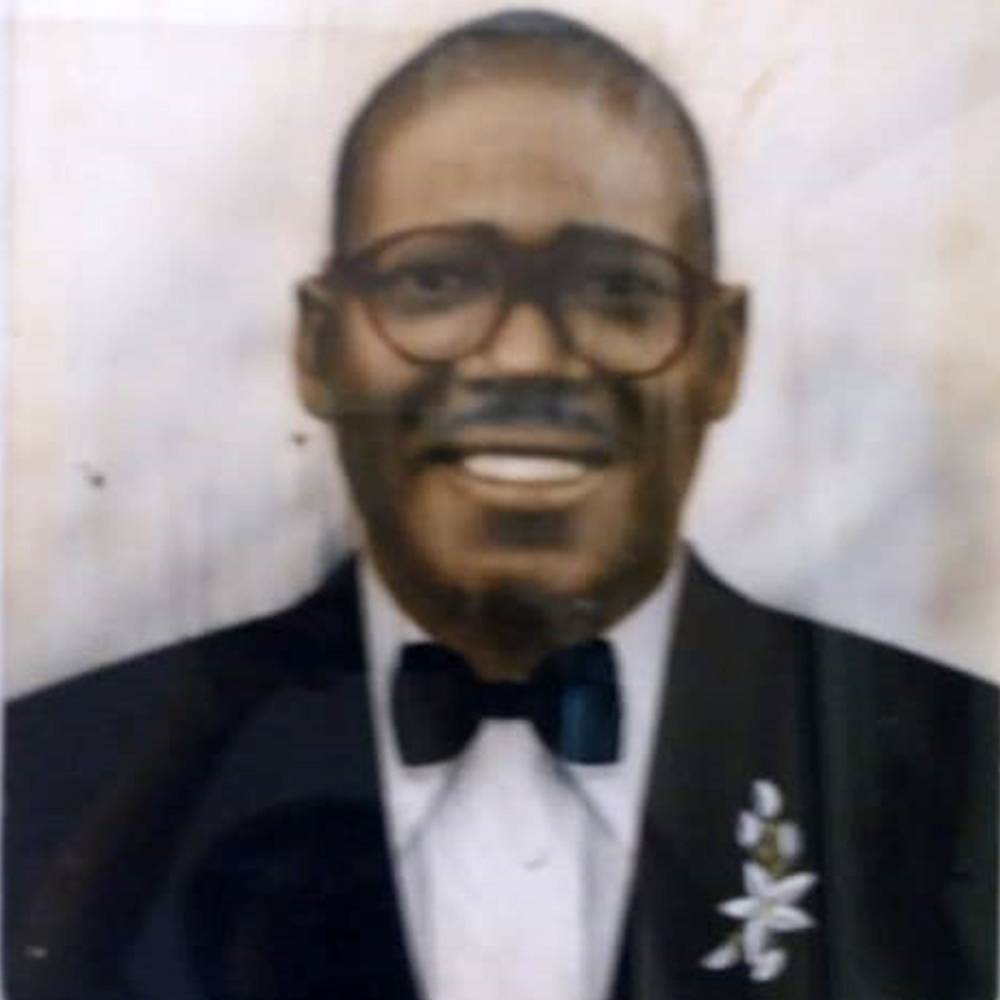
Ras Thomas Mokoka
Driefontein Native Trust Farm Vryburg District
Ras Thomas Mokoka, born 15 March 1918, was the son of Caleb and Lopang Mokoka. He was married to Ruth. His children are; Mpini Mokoka, Bella Motiang, Caleb Mokoka, Shimi Jonas Mokoka & Keatlaretse Tersia Mdunge. In Mabeskraal he was the Tribal Councillor, teacher, scoutmaster, a farmer, and NG Kerk Church elder.
In his early thirties, he was already politically mature. He graduated at Kilnerton Training Institution. He was both a Communist and ANC member. He was a treasurer of The Transvaal United African Teachers' Association (TUATA) which was a voice of the Transvaal teachers Union. He completed his military training in Russia together with Moses Kotane, Oliver Tambo and JB Marks.
Mokoka was banished on 19 December 1955, one of the five members of the Batlhako community who together with Chief Jeremiah Mabe were banished from Mabeskraal. It was claimed that their presence in Mabeskraal was ‘inimical to the peace, order and good government of the African people living there.ʼ The banishment orders were challenged in the Supreme Court, Pretoria, and on 5 June 1956 set aside with costs.
The Judge granted the order on the grounds ‘that the principle audi alterem partem had not been observed in that the applicant had not been given a hearing before the issue of the order.ʼ Fresh banishment orders were, however, issued by the Minister of Native Affairs and the Governor-General and were served on Chief Mabe and his five counsellors on 6 June 1956, thus nullifying the court victory. His banishment order was withdrawn on 8 February 1964.
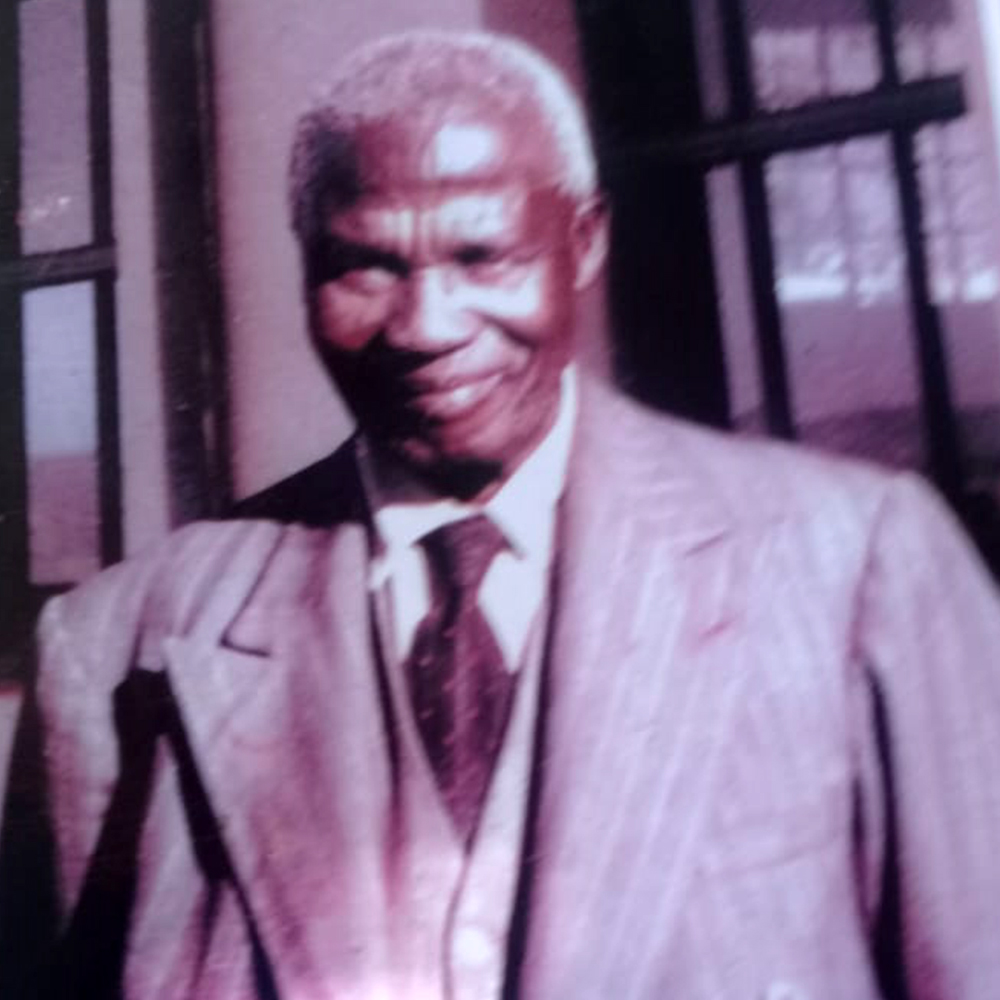
Seth Moanakwena
Driefontein Native Trust Farm Vryburg District
Seth Moanakwena, originally resident at Mabieskraal [Pilansberg], Rustenburg District, [Western] Transvaal [now North West Province] was banished on 19 December 1955 to Driefontein Native Trust Farm, Vryburg, [Western] Transvaal [now North West Province].
Moanakwena was one of the five counsellors of the Bathlako community, together with Chief Jeremiah Mabe, and he was banished from Mabieskraal to the Driefontein banishment camp. It was claimed that their presence in Mabieskraal was “inimical to the peace, order and good government of the African people living there.”
Nthwe Mabe
Driefontein Native Trust Farm Vryburg District
Ntloe Mabe, originally a resident of Mabieskraal (Pilansberg), Rustenburg District, [Western] Transvaal [now North West Province] was banished on 19 December 1955 to Driefontein Native Trust Farm, Vryburg, [Western] Transvaal [now North West Province].
Mabe was one of five counsellors of the Bathlako community, together with Chief Jeremiah Mabe, that was banished from Mabieskraal to the Driefontein banishment camp. It was claimed that their presence in Mabieskraal was “inimical to the peace, order and good government of the African people living there.”
David Tlholonyane Mabe
Driefontein Native Trust Farm Vryburg District
As in the case of Mokoka. David Thlolanyane Mabe, originally resident at Mabieskraal (Pilansberg), Rustenburg District, Western Transvaal [now North West Province] was banished on 26 January 1956to Driefontein Native Trust Farm, Vryburg , Western Transvaal. One of the five members of the Bathlako community, together with Chief Jeremiah Mabe, was banished from Mabieskraal to the Driefontein banishment camp. It was claimed that their presence in Mabieskraal was ‘inimical to the peace, order and good government of the African people living there.ʼ
The banishment orders were challenged in the Supreme Court, Pretoria, and on 5 June 1956 set aside with costs. The Judge granted the order on the grounds ‘that the principle audi alterem partem had not been observed in that the applicant had not been given a hearing before the issue of the order.ʼ Fresh banishment orders, however, issued by the Minister of Native Affairs and the Governor-General were served on Chief Mabe and his five counsellors on 6 June 1956, thus nullifying the court victory. His banishment order was withdrawn on 8 February 1964.